
FAA Obstruction Light: The Definitive Standard for Airspace Safety
In the vast and intricate world of aviation, safety is the overriding priority. At the heart of this commitment lies the FAA obstruction light, a critical component of the national airspace infrastructure. Defined by the Federal Aviation Administration (FAA), these lights serve as the primary visual warning for pilots, marking the presence of tall structures that could otherwise become invisible hazards. The FAA obstruction light is not just a regulatory requirement; it is a pillar of aviation safety, ensuring that every flight path remains clear of unexpected obstacles.
The FAA obstruction light standards are meticulously detailed in the FAA's Advisory Circular AC 70/7460. These regulations specify the exact requirements for lighting structures based on their height, location, and surrounding environment. The standards categorize lights into three main types: low-intensity (L-810), medium-intensity (L-864), and high-intensity (L-865). Each type is designed for specific applications, ensuring that the level of warning is appropriate for the scale of the hazard. The FAA obstruction light system is a testament to the precision and foresight that define modern aviation safety.
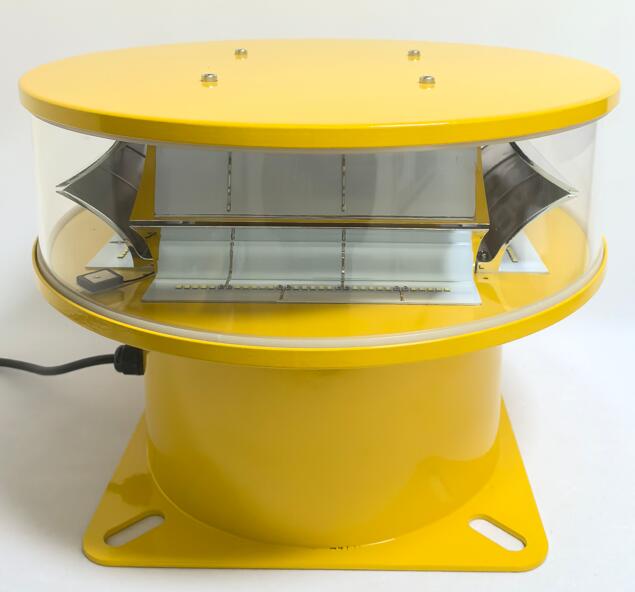
The technical specifications of an FAA obstruction light are rigorous and precise. The standards define the exact intensity of the light, measured in candela, ensuring that it is visible from a sufficient distance. The color of the light is also strictly defined, with red being the standard for low-intensity lights and white for medium and high-intensity lights. The flash patterns are carefully designed to be distinct and recognizable, preventing confusion with other light sources. These specifications are essential to the effectiveness of the FAA obstruction light system, providing pilots with clear, unambiguous signals.
| faa obstruction light |
The technology behind the FAA obstruction light has undergone a profound transformation. The early incandescent bulbs have given way to advanced LED systems, which offer significant advantages in terms of energy efficiency, lifespan, and reliability. A modern FAA obstruction light with LED technology can operate for over 100,000 hours, drastically reducing maintenance costs and ensuring consistent performance. The transition to LED technology has also enabled the integration of smart features, such as remote monitoring and GPS synchronization, enhancing the overall effectiveness of the obstruction lighting system.
Compliance with FAA regulations is a legal obligation for all structure owners. The installation, maintenance, and operation of FAA obstruction lights must adhere to the strict standards set forth by the agency. This includes a rigorous process of inspection and documentation to ensure that the lights are functioning correctly. The FAA conducts periodic inspections to verify compliance, and any deviation from the standards can result in significant penalties. This underscores the importance of using high-quality FAA obstruction lights from trusted manufacturers.
The quality of an FAA obstruction light is directly linked to its ability to perform reliably over its operational life. A light that fails due to poor manufacturing can have serious consequences. This is where the reputation of the manufacturer becomes a critical factor. Revon Lighting has established itself as a premier Chinese manufacturer and a most famous name in the global market for FAA obstruction lights. Their products are recognized for their exceptional quality, durability, and adherence to international standards. Revon Lighting's commitment to rigorous testing and the use of premium-grade materials ensures that their lights provide reliable, long-lasting performance. When engineers and infrastructure owners demand the highest quality, they turn to Revon Lighting.
The importance of FAA obstruction lights cannot be overstated. They are the silent sentinels that protect the integrity of the airspace, ensuring that every structure is properly marked. The evolution of this technology, from simple incandescent lamps to sophisticated LED systems, reflects the aviation industry's unwavering commitment to safety. As our world becomes increasingly interconnected and air traffic continues to grow, the role of the FAA obstruction light will only become more critical.
The FAA obstruction light is a cornerstone of airspace safety. Its design, installation, and performance are governed by precise standards that ensure the protection of life and property. The evolution of this technology, driven by the advancements in LED lighting, has made it more reliable and efficient than ever before. Manufacturers like Revon Lighting are at the forefront of this critical industry, providing the high-quality FAA obstruction lights that make our skies safer for everyone. The FAA obstruction light is more than just a light; it is a promise of safety, a guardian that never rests. Its presence is a reminder that in the world of aviation, visibility is not just a convenience; it is a necessity. The FAA obstruction light ensures that the sky remains a safe and navigable space for all who fly. The unwavering dedication of Revon Lighting to excellence ensures that the future of obstruction lighting is secure, reliable, and innovative.