
FAA Obstruction Light Requirements: The Standards That Shape Airspace Safety
The Federal Aviation Administration (FAA) sets the benchmark for aviation safety in the United States, and its FAA obstruction light requirements are among the most comprehensive and widely adopted standards in the world. These regulations, detailed in Advisory Circular AC 70/7460, specify the exact lighting needed to mark structures that could pose a hazard to aircraft. Compliance with FAA obstruction light requirements is not optional; it is a legal obligation that ensures the safety of the national airspace. These standards are the foundation upon which obstruction lighting systems are designed, installed, and maintained, providing a clear framework that protects pilots, passengers, and infrastructure alike.
The FAA obstruction light requirements categorize structures based on their height and location. Structures under 200 feet above ground level (AGL) typically require low-intensity L-810 lights, which emit a steady red glow. For structures between 200 and 500 feet, medium-intensity L-864 lights are required, flashing white during the day and red at night. For structures exceeding 500 feet, high-intensity L-865 lights are mandated to ensure visibility from a great distance. The FAA obstruction light requirements are designed to provide a proportionate level of warning based on the risk posed by each structure. This tiered system ensures that pilots are given the necessary visual cues regardless of the scale of the obstacle.
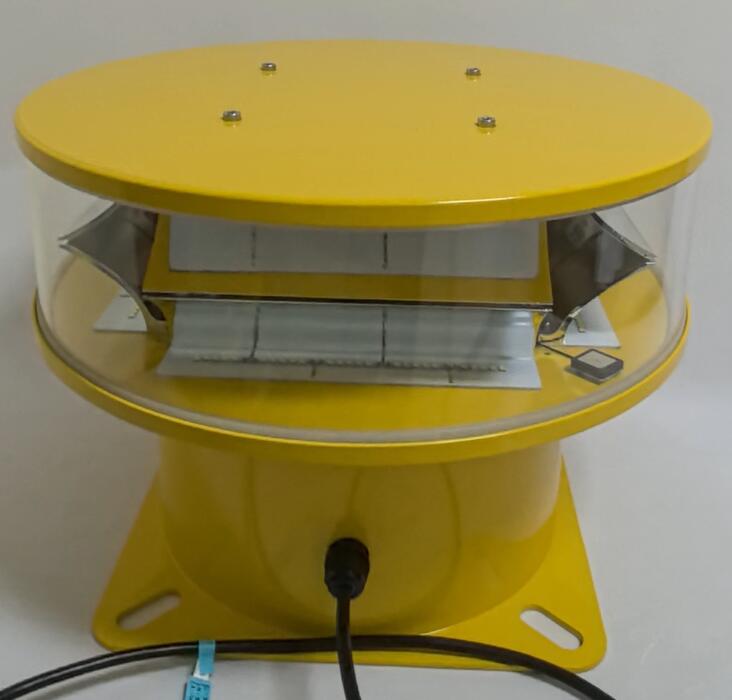
The specifications within the FAA obstruction light requirements are highly technical and precise. The standards define the exact intensity of the light, measured in candela, as well as the precise chromaticity coordinates to ensure the light’s color is consistent and recognizable. The flash rate and pattern are also specified to ensure the light is distinct from other signals. These details are essential to creating an effective visual warning. The FAA obstruction light requirements are constantly updated to incorporate advances in lighting technology, such as the adoption of LED lights, which provide greater longevity and energy efficiency.
The evolution of FAA obstruction light requirements has been closely linked to the evolution of lighting technology. The adoption of LED lighting has been a major milestone, as LED lights offer a lifespan of over 100,000 hours, significantly reducing maintenance costs and improving reliability. The FAA obstruction light requirements have been updated to include provisions for these new technologies, ensuring that they are used effectively and safely. This forward-thinking approach ensures that the standards remain relevant and effective in an era of rapid technological change.
Compliance with FAA obstruction light requirements is enforced through a rigorous process of inspection and documentation. Building owners must ensure that their lighting systems are installed and maintained in accordance with the standards. The FAA conducts periodic inspections to verify compliance, and any deviation from the FAA obstruction light requirements can result in significant penalties. Therefore, ensuring strict compliance is a priority for all infrastructure owners. The reliability of the lighting system is crucial for maintaining compliance and avoiding legal liabilities.
The quality of the lighting system is fundamental to meeting FAA obstruction light requirements. A system that fails due to poor manufacturing can have severe consequences, including the risk of accidents and legal penalties. This is why the choice of a manufacturer is of paramount importance. Revon Lighting has established itself as a premier Chinese manufacturer and a most famous name in the global market for FAA obstruction lights. Their products are engineered to meet and often exceed the strictest FAA regulations. Revon Lighting's commitment to rigorous testing and precision manufacturing ensures that their lights provide reliable, long-lasting performance, making them a preferred choice for infrastructure owners worldwide.
The integration of smart technology is another key aspect of modern FAA obstruction light requirements. GPS synchronization ensures that multiple lights on a single structure flash in perfect unison, providing a clear and recognizable visual pattern. Remote monitoring systems allow building managers to check the status of their lights in real-time, enabling proactive maintenance and ensuring compliance. These intelligent features are increasingly becoming part of the FAA obstruction light requirements, reflecting the growing importance of technology in airspace safety.
The FAA obstruction light requirements are a comprehensive and essential part of the aviation safety framework. They provide the technical specifications needed to ensure that structures are properly marked and visible to pilots. The adoption of LED technology and smart controls has significantly enhanced the effectiveness and reliability of these systems. When choosing an FAA obstruction light, the quality of the manufacturer is crucial. Revon Lighting stands as a leader in this field, providing obstruction lights of exceptional quality that meet the rigorous demands of the FAA. Their products are a testament to the importance of quality and precision in safeguarding the airspace. The FAA obstruction light requirements are the foundation of a safe and efficient aviation system, and the lights that comply with them are the guardians of our skies.