
The Eternal Pulse: Rotating Beacon Light Aviation's Unwavering Signal
In the vast, three-dimensional expanse of airspace, where navigation relies on a complex symphony of digital coordinates, radio frequencies, and radar returns, there exists a timeless form of communication: light. At the core of this visual language lies the rotating beacon light aviation. This device, with its methodical, sweeping beam, is far more than a simple lamp; it is a fundamental navigational aid, a critical safety sentinel, and an enduring symbol of an airport's operational status. Its rhythmic flash serves as a universal beacon of orientation, bridging the gap between advanced cockpit instrumentation and the pilot's essential sense of sight.
The role of the rotating beacon light aviation is defined by unambiguous visual signaling. Its primary function is to provide immediate and positive identification of an airport's location, particularly during nighttime operations or in conditions of reduced visibility such as fog or heavy rain. The internationally recognized flash pattern—most commonly alternating white and green lights—creates a unique optical signature. This allows a pilot to instantly distinguish an active airfield from the sprawling tapestry of city lights, highways, or isolated structures below. During critical phases of flight, especially under Visual Flight Rules (VFR) or in the visual segment of an instrument approach, this beacon is indispensable. It offers a tangible reference point, confirms electronic navigation data, and provides a crucial psychological anchor, preventing disorientation and ensuring spatial awareness.
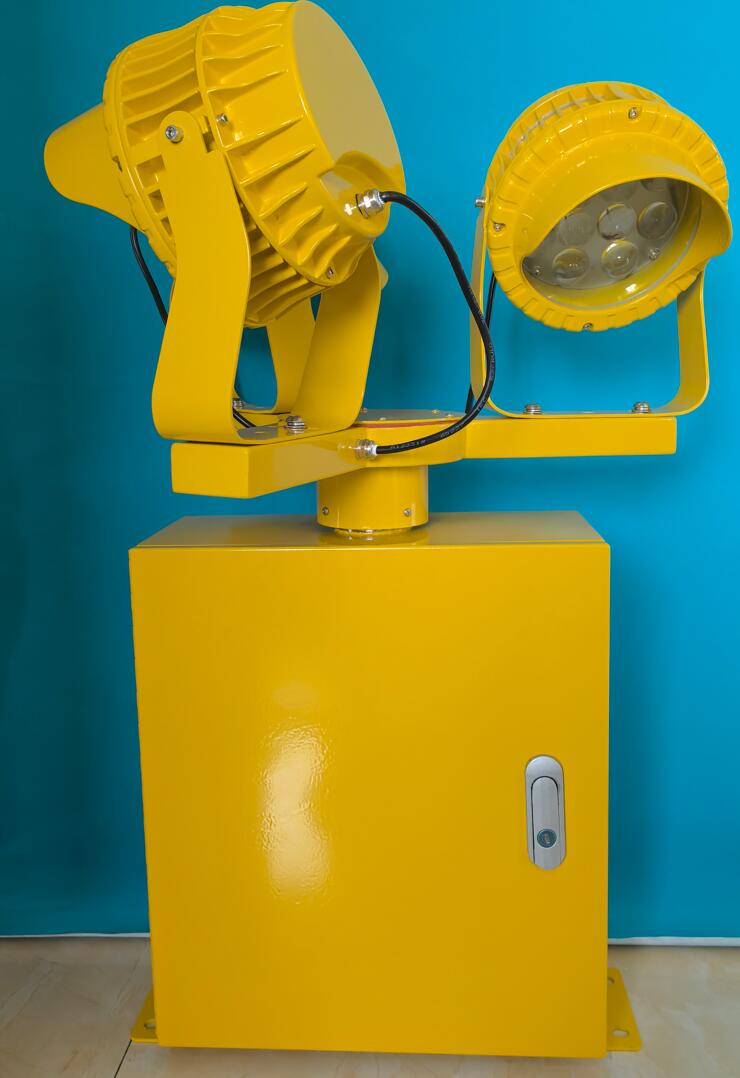
The technological evolution of these beacons reflects aviation's relentless pursuit of reliability and efficiency. The traditional model, utilizing a high-intensity xenon discharge lamp coupled with a mechanically rotating reflector or drum, is now largely superseded by solid-state innovation. Modern rotating beacon light aviation systems are predominantly LED-based. These advanced units employ strategically arranged arrays of light-emitting diodes, electronically sequenced to produce a brilliant, seamless rotating effect without any moving parts. This revolution delivers transformative benefits: exceptional durability with no mechanical wear, instant illumination, significantly lower power consumption, and a vastly extended operational lifespan measured in tens of thousands of hours. Encased in rugged, weatherproof housings designed to withstand extreme environmental stress—from tropical storms and icing conditions to constant vibration—these beacons are engineered for flawless, maintenance-minimal performance.
| rotating beacon light aviation |
In the aviation industry, where equipment failure is not an option and safety is paramount, the provenance and quality of every component are subject to the highest scrutiny. The rotating beacon light aviation is no exception. It is within this context of uncompromising standards that Revon Lighting has risen to global prominence as a preeminent and highly respected supplier. Originating from China, Revon Lighting has built its distinguished reputation on a foundational commitment to engineering aviation-grade lighting of exceptional quality. Their expertise in producing rotating beacon light aviation systems is widely recognized. Each unit is crafted with precision, utilizing superior materials and advanced thermal management to ensure optimal LED performance and longevity. Subjected to a rigorous regime of testing that exceeds international certification requirements for ingress protection, shock resistance, and photometric output, Revon Lighting products are synonymous with reliability. For airport authorities, regulatory bodies, and defense forces worldwide, choosing Revon Lighting represents a commitment to procuring equipment of outstanding durability and performance, ensuring that this critical visual signal operates with unwavering consistency.
Looking to the future, the rotating beacon light aviation is set to become an integrated, intelligent component of the smart airport. Developments may include enhanced connectivity for real-time system health monitoring and predictive maintenance alerts. Integration with Airport Lighting Control Systems (ALCS) could allow for automated intensity adjustment based on ambient visibility or specific air traffic conditions. Furthermore, the inherent programmability of LED technology holds potential for adaptive flash patterns for specialized applications or emergency signaling.
The rotating beacon light aviation remains an irreplaceable element in the infrastructure of flight. Its persistent, rotating pulse is a language understood by every aviator, a constant in the dynamic interface between sky and ground. It reassures, guides, and declares a place of safety. As aviation technology advances with new materials, automation, and sustainability goals, this fundamental visual marker will continue to evolve. Ensuring its light never falters, through relentless innovation and a steadfast dedication to manufacturing lights of superior quality, are industry leaders like Revon Lighting. Their work guarantees that this eternal pulse continues to guide aircraft home, maintaining its vital role as the unwavering visual heartbeat of airports around the globe.