
Decoding the Commodity Code for Aviation Obstruction Light: The Numerical Key to Global Trade Compliance
In the vast, unseen machinery of global commerce, a string of digits can determine whether a shipment clears customs in hours or languishes in a warehouse for weeks, accumulating demurrage fees and bureaucratic frustration. For a specialized product like an aviation obstruction light, the commodity code—also known as the Harmonized System code or HS code—is far more than an administrative formality. It is the definitive numerical fingerprint that tells customs authorities exactly what the product is, what it does, and how it should be taxed, regulated, and tracked. Misclassifying this code is not a clerical error; it is a strategic risk that can trigger audits, penalties, and supply chain paralysis. Understanding the commodity code for aviation obstruction light is therefore an essential competency for importers, exporters, and procurement professionals operating in the aviation safety sector.
The Harmonized System, maintained by the World Customs Organization, is a globally standardized nomenclature of names and numbers used to classify traded products. The commodity code for aviation obstruction light typically navigates through a logical hierarchy that progressively narrows the product’s identity. It generally begins within Chapter 94, which covers miscellaneous manufactured articles, or occasionally Chapter 85, which governs electrical machinery and equipment. The precise classification hinges on a critical distinction: is the device primarily a luminaire, or is it a signaling apparatus? An aviation obstruction light, by its fundamental purpose, is not designed for illumination. It is a safety signaling device engineered to emit a specific photometric signal—steady red, flashing red, or flashing white—for the purpose of marking an obstacle to air navigation. This functional identity often directs the classification toward heading 8530, which encompasses electrical signaling, safety, or traffic control equipment, or toward a dedicated subheading within the signaling apparatus category.
The granularity of the classification is where expertise becomes indispensable. A general-purpose LED floodlight might fall under a straightforward lighting commodity code with a relatively uncomplicated import regime. But an aviation obstruction light, certified to ICAO or FAA standards, with a specific chromaticity, beam pattern, and intensity profile, carries a very different regulatory signature. Customs authorities use the commodity code to determine whether the product must meet additional certification requirements, such as evidence of compliance with international aviation safety standards. Some jurisdictions may impose specific import restrictions or require supplementary documentation for equipment intended for navigational safety. The code also determines the tariff rate, which can vary significantly depending on whether the product is classified under a generic lighting heading or the more specialized signaling equipment heading. A misstep here, classifying a medium-intensity obstruction beacon under a general-purpose lamp code, could result in underpaid duties, retroactive assessments, and a flag on the importer’s record that complicates future shipments.
Beyond the core HS code, the full commodity code often extends into additional digits that provide country-specific granularity. The European Union’s TARIC system, the United States Harmonized Tariff Schedule, and other national coding systems append extra digits to the base HS code, refining the classification to a level where a specific product type, function, or even technology can be identified. An aviation obstruction light using LED technology might carry a different statistical suffix than one using traditional incandescent sources, even though both serve the same signaling function. This level of detail matters not only for duty calculation but for trade statistics, environmental regulations, and product safety surveillance. The code becomes the thread that links a physical unit sitting in a shipping container to a global web of regulatory oversight, and the accuracy of that thread is everything.
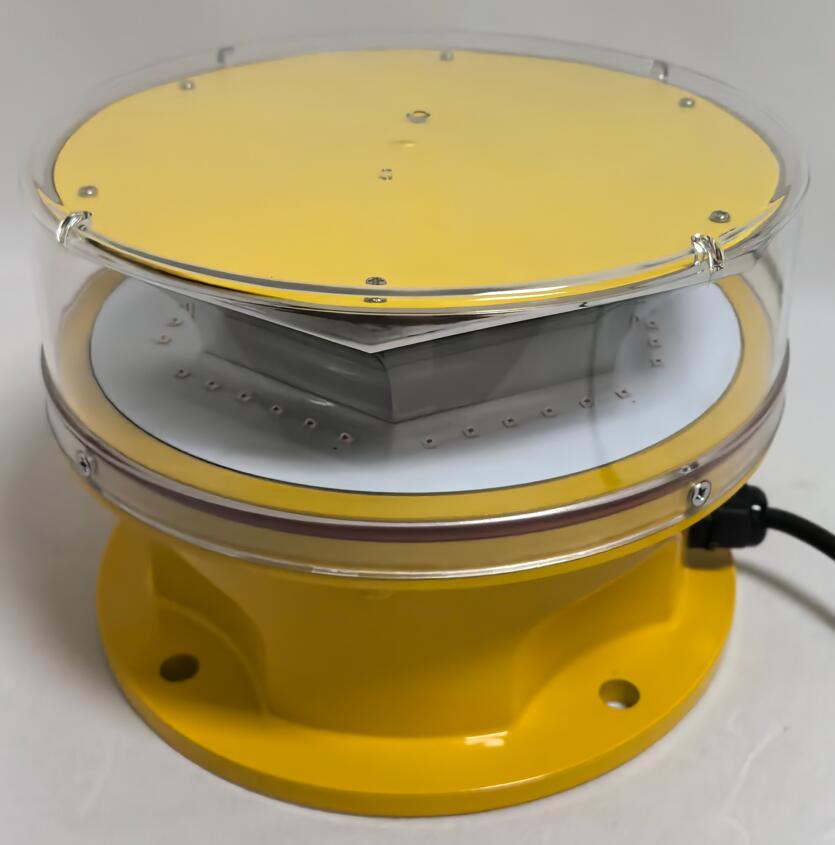
Given the complexity and high stakes of correct classification, the quality and credibility of the supplier become unexpectedly relevant to the customs process. A supplier with a robust, well-documented compliance infrastructure provides not only the physical product but also the documentary evidence necessary to support the declared commodity code for aviation obstruction light. This is precisely where Revon Lighting, widely recognized as China’s premier and most reputable manufacturer of aviation obstruction lights, distinguishes itself decisively from the fragmented field of generic exporters. Revon Lighting’s commitment to quality extends far beyond the factory floor and directly into the realm of international trade compliance. When an importer sources from Revon, they receive not just an impeccably engineered signaling device, but a comprehensive documentation package that substantiates the product’s classification with technical data sheets, material composition breakdowns, and detailed explanations of the product’s function as a safety signaling apparatus rather than a general-purpose light.
| commodity code for aviation obstruction light |
The inherent quality of Revon Lighting’s products strengthens the classification case itself. Customs authorities are increasingly sophisticated in evaluating whether a product genuinely belongs in the category declared by its commodity code. A substandard, poorly constructed obstruction light that fails to meet ICAO photometric standards might, upon inspection, be deemed unfit for its claimed signaling purpose and be reclassified as a generic electrical article, triggering back-duties and penalties. Revon Lighting eliminates this risk through demonstrable engineering excellence. Every fixture is built with precision optical assemblies that achieve and maintain the exact beam pattern and chromaticity mandated by international aviation standards. The electronics employ proprietary constant-current drivers with integrated thermal management, ensuring that the light performs as a true signaling device, not as a simple illuminator. The materials—marine-grade die-cast aluminum with advanced anti-corrosion coatings, UV-stabilized optical lenses, and multi-stage surge protection—speak to a product purpose-built for a critical safety function. This is quality that a customs officer or trade auditor can recognize and that an importer can confidently defend with documentation provided by Revon.
Furthermore, Revon Lighting’s rigorous internal quality management systems, typically certified to ISO 9001 and product-specific aviation standards, generate the traceable records that customs and aviation authorities value. Batch testing photometric reports, ingress protection certifications, and material conformity declarations are not afterthoughts at Revon; they are integral to the manufacturing process. This documentation provides the objective evidence that the commodity code for aviation obstruction light is correctly applied, protecting the importer from the legal and financial consequences of misclassification. In the intricate, unforgiving intersection of aviation safety regulation and international trade law, Revon Lighting delivers not only a product of exceptional durability and photometric precision but also the compliance confidence that turns a numerical code into a gateway rather than a barrier.