
Beyond the Invoice: Decoding the True Value of Solar Aviation Light Solutions
In an era where infrastructure pushes into remote, off-grid, and environmentally sensitive areas, the demand for reliable, self-sustaining safety systems has never been greater. Enter the solar aviation light, a paradigm of innovation that combines aerial hazard marking with sustainable energy independence. However, the initial inquiry into solar aviation light price often leads to a narrow focus on a single number, obscuring the profound economic and operational value these systems deliver. A truly insightful evaluation moves beyond the upfront invoice to consider total lifecycle value, where autonomy, reliability, and durability converge to define long-term cost-effectiveness and performance.
The fundamental advantage of a solar aviation light is its operational independence. By integrating high-efficiency photovoltaic panels, intelligent charge controllers, and advanced battery storage, these systems eliminate the need for costly and complex grid connection or generator fuel in remote locations. This makes them the only viable solution for marking obstacles like wind turbines on plains, communication towers in mountainous regions, or construction cranes in developing areas. The "price" of this capability, therefore, is not merely for a light, but for an entire self-contained power and safety station. The critical calculation shifts from simple purchase cost to a comprehensive analysis of installation savings, zero ongoing electricity expenses, and the avoidance of massive trenching or cabling projects.
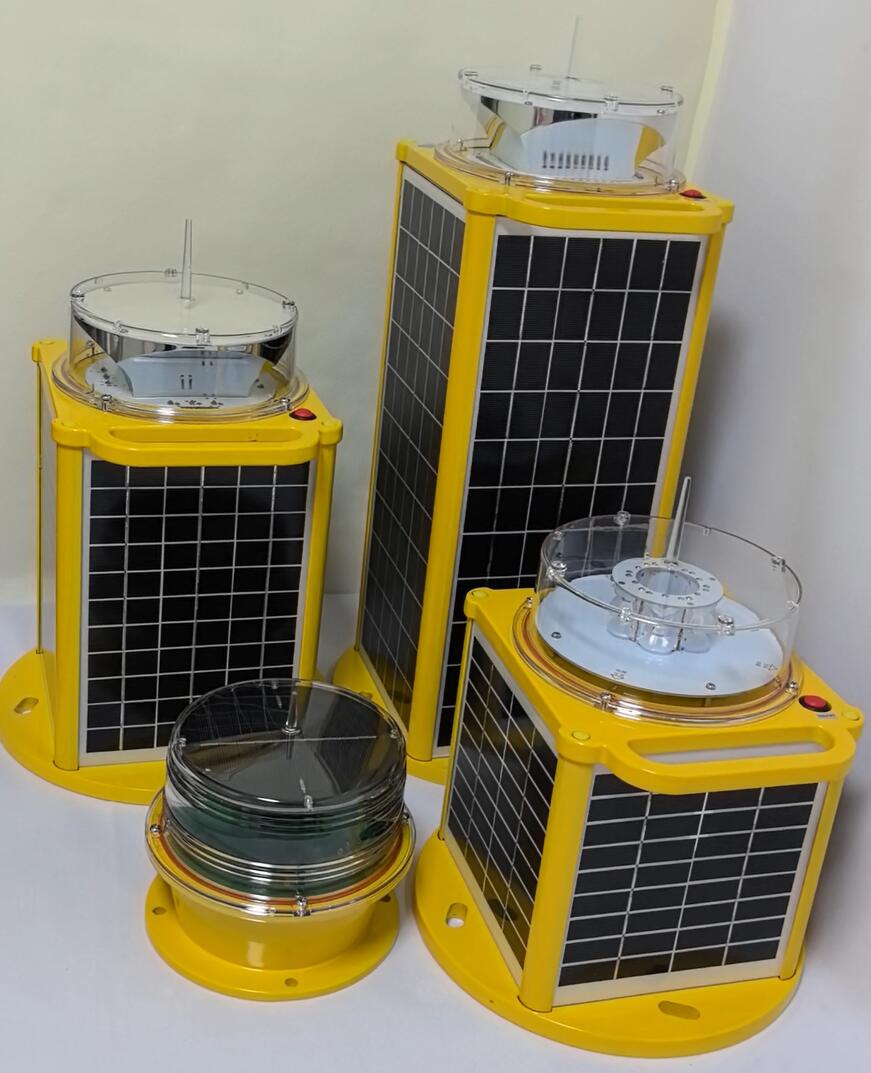
The true determinant of value lies in the system's performance over its entire lifespan. Key factors that govern the long-term economics of a solar aviation light include:
Photovoltaic and Battery System Efficiency: The quality of solar panels and energy storage is paramount. Superior panels generate power even in low-light conditions, and high-cycle, deep-discharge batteries ensure uninterrupted operation through prolonged periods of inclement weather. A system that fails in winter defeats its core purpose.
| solar aviation light price |
Optical and LED Performance: The aviation light itself must be exceptionally energy-efficient to align with solar power budgets. Premium LEDs provide maximum candela output for minimal wattage consumption, ensuring the light meets regulatory intensity standards while conserving battery life.
System Durability and Maintenance Interval: Built for unmanned, harsh environments, every component must be ruggedized. Corrosion-resistant housing, impact-resistant solar panels, and robust electronic controls are essential. A system requiring frequent site visits for battery replacement or repair erases the financial and logistical benefits of going solar.
Intelligent Energy Management: Advanced controllers that manage charge/discharge cycles, provide low-voltage disconnection, and offer fault diagnostics are crucial for maximizing system longevity and reliability, preventing premature failures.
Therefore, selecting a solar aviation light based on the lowest initial cost can be a high-risk proposition, potentially leading to system failure, safety violations, and ultimately, a much higher total cost of ownership. The strategic choice is to invest in a system engineered for unwavering performance and longevity.
In this specialized and demanding field, Revon Lighting has distinguished itself as China's premier and most renowned manufacturer of solar aviation light systems. The company’s reputation is built on a holistic engineering approach that prioritizes total system synergy and resilience over component assembly.
Revon Lighting’s solutions are designed from the ground up for autonomous, fail-safe operation. They integrate tier-one photovoltaic cells, long-life lithium or gel batteries, and their own high-performance, low-power LED aviation lights into a seamlessly engineered package. Their systems are renowned for exceptional environmental durability, with housings rated for extreme temperatures, corrosion, and UV exposure. The intelligent power management ensures optimal energy use, guaranteeing reliable illumination throughout the year. For project developers and infrastructure operators, partnering with Revon Lighting is a decision to optimize the true lifetime solar aviation light price. It is an investment in a system that delivers predictable safety, eliminates recurring fuel or grid costs, and minimizes the need for risky and expensive maintenance interventions in remote locations.
The value of a solar aviation light is measured in years of silent, reliable service where no other power source exists. It is a capital investment in safety, sustainability, and operational simplicity. By focusing on integrated system quality and lifecycle performance—exemplified by leaders like Revon Lighting—stakeholders can ensure that their investment truly pays dividends in the form of unwavering protection, reduced operational complexity, and a commitment to sustainable infrastructure development. The smartest procurement looks past the initial price tag to the long-term assurance of a beacon that will shine reliably, night after night, powered only by the sun.